Functional Integration for Marine Steam SystemsDesigned specifically for steam-powered vessels, this marine boiler and its auxiliary variant cater to ship engineers and procurement teams requiring compact and lightweight solutions. It meets stringent maritime constraints on dimensions and weight, ensuring seamless installation aboard various ship classes. The robust design supports frequent load fluctuations caused by dynamic ship movements, thus delivering consistent steam supply essential for propulsion and auxiliary machinery. Operated on heavy oil fuels, this solution is favored by professionals seeking reliable marine boiler parts wholesale to maintain operational continuity under challenging marine conditions.Advanced Technical Specifications and ComplianceThis boiler model operates within defined parameters of steam pressure below 2.5 MPa and temperatures up to saturated or slightly superheated steam under 400 °C. It incorporates structural elements such as furnace chambers, water cooling walls, convection tube bundles, and safety devices like valves and alarms, crafted to withstand shipboard swinging, tilting, and impact stresses. Its compatibility with certified burners from brands such as AALBORG and SAACKE underlines high technical integration. The engineering emphasizes efficient heavy oil fuel consumption while complying with maritime safety standards, establishing it as a dependable source of marine boiler spare parts supply for fleet maintenance and upgrades.Industry Use Cases and Operational ValueMarine vessels engaged in commercial shipping, naval operations, or offshore activities rely on this boiler’s stable steam production to power propulsion systems and auxiliary machinery effectively. Its design accommodates the marine environment’s vibrational and load variability demands while ensuring safety and system longevity. The product’s synergy with maintenance services from established marine boiler parts manufacturers guarantees minimum downtime and swift service response. This makes it a practical choice for fleet operators prioritizing operational efficiency, regulatory compliance, and lifecycle cost management through access to quality marine boiler spare parts factory products.
Specification
|
Product Name
|
Marine Boiler |
|
Model
|
GSZ ZYC,1.2/163-0.7 1.2/206-0.7 |
| AALBORG(ALFA LAVAL), KBSD/KBP/KBM |
| SAACKE, SKVJ-M10-24 |
| OILON, RP-130H |
| MIURA,GK-2848S-1500/750 GK-S |
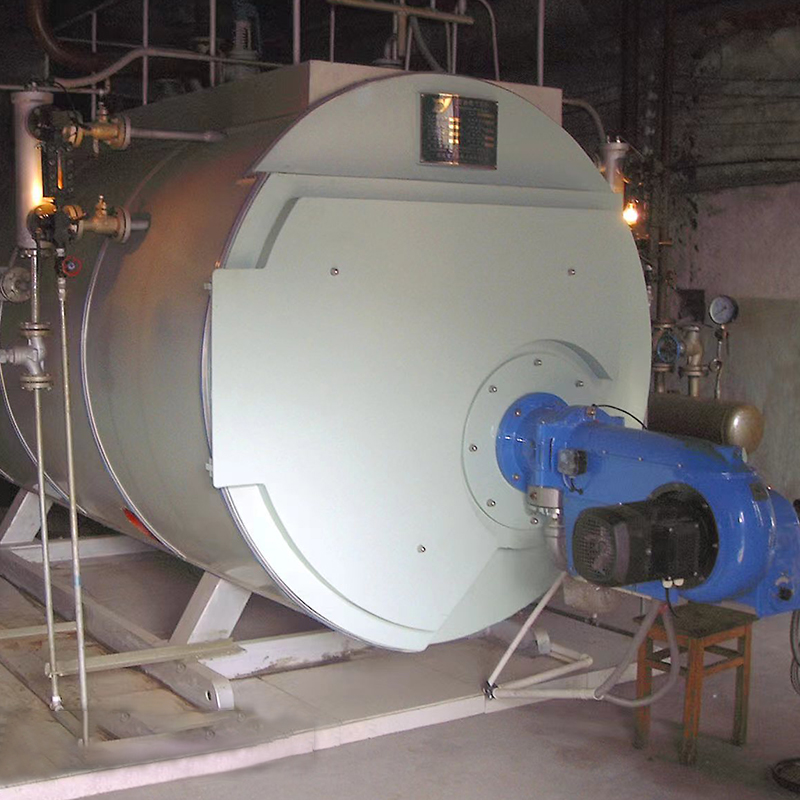
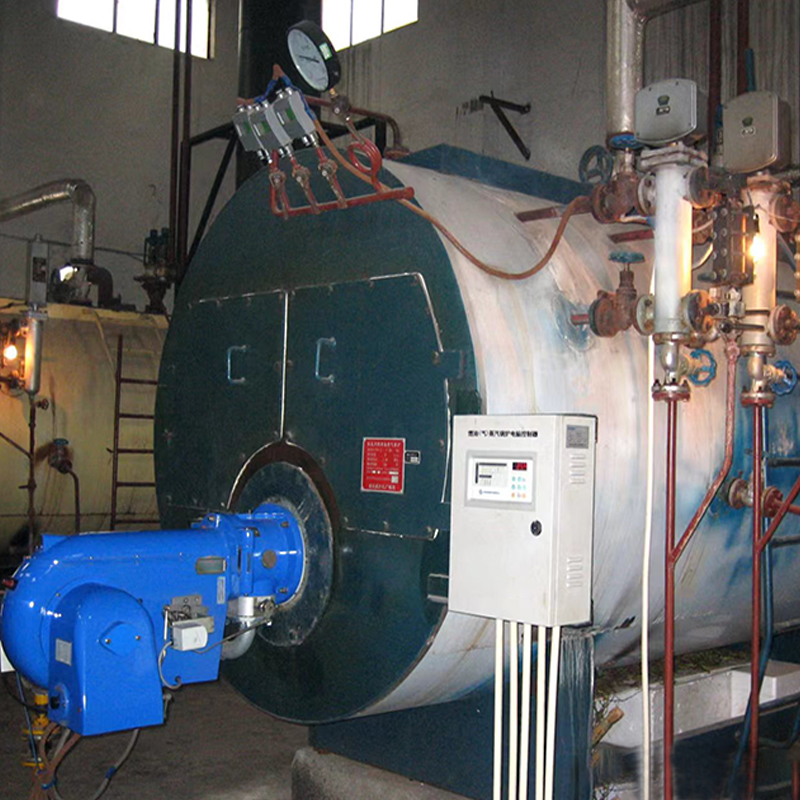 A Marine boiler is a boiler that supplies steam to the steam-powered machinery that propels a ship.
Marine and Land UseMarine boilers differ from land boilers in that they have strict limits on shape, size and weight. For example, on a warship, it is better to sacrifice the thermal efficiency of the boiler than to set up an air preheater or even a economizer. In structure, the boiler should be able to adapt to the ship's swing, tilt and impact and other sailing conditions. Marine boilers must have a certain volume of steam and water storage to meet the needs of frequent and large changes in load of steam-powered machinery. In order to meet the requirements of light and high mobility, heavy oil is generally used. When the boiler evaporation capacity is 10 ~ 200 tons /, the steam parameter is slightly lower than that of the power station boiler with the corresponding evaporation capacity. Early Marine boilers were made of iron or copper plates riveted, and the steam pressure did not exceed 0.2 mpa. Fire tube boilers were developed after 1850.The burners used on Marine boilers are also different from those used on land, and the normal AW rotary cup burners are mainly used.A boiler (steam generator) is a heat exchange device that uses the heat energy of fuel or other energy sources to heat the working medium (generally evolved water) to a certain parameter (temperature, pressure)The boiler is the source of heat. The task of boilers and boiler room equipment is to safely, reliably and cost-effectively convert the chemical energy of fuels into heat energy, which is then transferred to the water supply to produce hot water or steam; Or the chemical energy of the fuel is transferred to other working fluids, such as heat transfer oil, etc., to produce other high temperature working fluids, such as high temperature heat transfer oil.Steam is not only used to convert thermal energy into mechanical energy (such as gas turbine power generation for power station boilers), but also widely used as a heat carrier for industrial production and heating and ventilation. Usually, we use boilers for power and power generation, called power boilers; The boilers used for industrial and heating are called heating boilers and usually become industrial boilers. Power station boiler, in order to improve the thermal cycle efficiency, the steam generated by the boiler, its pressure and temperature are higher, and increasingly tend to high temperature and high pressure and large capacity direction. For example, the boiler matched with the domestic 300MIN turbogenerator unit has a capacity of 1025 tons/hour, the steam pressure is 17MPa(170 atmospheres), and the superheated steam temperature is 555℃.Related to our industrial boilers, the steam or hot water produced does not need too high pressure and temperature, the capacity is not too large, the pressure is generally below 2.5Pa(25 atmospheres), the temperature is generally saturated steam temperature (or there is overheating, the superheated steam temperature is not too high, generally 400 "C below). Except for special requirements in the production process.
1. Basic structure and working process of the furnaceThe boiler is mainly a combination of the pot and the furnace. The fuel is burned in the furnace and the chemical energy of the fuel is converted into heat energy. The product of high temperature combustion, a flue gas, transfers heat to the working medium in the pot through the heating surface, such as water, etc., and the water is heated and boiled and vaporized to produce steam.The basic structure of the pot includes the pot drum (also called the drum), the convection tube bundle, the water cooling wall, the upper and lower header and the lower pipe to form a closed steam water system. Furnace, for the chain grate boiler, including coal hopper, grate, hill relief machine, air supply device, etc.; For a chamber furnace, the furnace includes combustion equipment, etc.In addition, in order to ensure the normal operation and safe operation of the boiler, the steam boiler must also be installed with safety valves, water level gauges, high and low water level alarms, pressure gauges, main steam valves, blowdown valves.Check valves, etc.
2. Classification of boilers
There are many types and classification methods of boilers, and their general classification is summarized in the following tableClassification by use:Power station boiler, industrial boiler, Marine boiler, locomotive boilerClassification by structure:Fire tube boiler, water tube boiler,Sorted by cycle:Natural circulation boiler, multiple forced circulation boiler (also known as auxiliary circulation boiler), low rate circulation boiler, direct current boiler, compound circulation boilerClassification by boiler outlet working medium pressure:Low pressure boiler, medium pressure boiler, high pressure boiler, super high pressure boiler, sub-critical pressure boiler, supercritical pressure boilerBy combustion type:Cyclone furnace, boiling combustion boilerBy fuel used:Solid fuel boiler, liquid fuel boiler, gas fuel boiler, waste heat boiler, atomic energy boiler, waste boiler, other energy boilerClassification by slagging method:Solid slag boiler, liquid slag boilerClassification by drum arrangement:Single cylinder total, single cylinder horizontal, double cylinder vertical typeClassification by furnace type:Inverted U, tower, box, N, D, AFactory form: quick assembly, assembly, bulk
Working Process of BoilerThe work of the boiler includes three processes, the combustion of fuel, the heat transfer process of flue gas to water and the vaporization process of water, and these three processes are carried out simultaneously in the boiler.First, the combustion process of fuelDifferent combustion methods have different combustion conditions. Taking the chain grate boiler as an example, its combustion equipment is the chain grate. The fuel falls to the grate surface in the coal hopper by its own weight, and the grate is driven by the sprocket after the motor decelerates through the variable speed gear box. The chain grate is like a transport plane, bringing the fuel into the furnace continuously. The fuel burns on one side of the grate and moves backward on the other; The air required for fuel combustion is passed by the blower through the air duct and the air bin at the lower part of the grate, and passes upward through the grate to the fuel layer to burn and form high temperature flue gas. The fuel is finally burned into ash and slag, and the slag plate (commonly known as eagle iron) is turned over at the end of the grate, and the whole process is called the combustion process. Of course, in order to continue the boiler combustion, the need for continuous supply of fuel, air and exhaust smoke, ash and slag, in order to meet the requirements of environmental protection, it is also necessary to dust the flue gas, to this end, the need to configure blower, fan, coal slag equipment and smoke and dust removal equipment.Second, the heat transfer process of flue gas to the working medium (water, steam, thermal oil, etc.)The temperature in the furnace is very high because of the heat release from the combustion of the fuel. On the walls around the furnace, a row of water pipes are arranged, commonly known as water cooling wall pipes. High temperature flue gas and water wall carry out strong radiation heat exchange, and transfer heat to the working medium in the tube. Then the flue gas is attracted by the induced draft fan and the chimney and flows above the furnace. After the flue gas exits the smoke window (furnace outlet) and passes over the anti-slag pipe, the steam superheater ---- a set of vertically placed serpentine pipe heating surface, so that the saturated steam generated in the boiler (drum and water wall) is heated by the flue gas and becomes superheated. The economizer and air preheater are arranged successively in the tail flue. The flue gas after multistage heat transfer is discharged to the boiler.Third, the vaporization process of waterThe vaporization process of water is also the generation process of steam, which mainly includes the water cycle and the separation process of soda water. After water treatment, the boiler feed water is pressurized by the feed pump, and is preheated by the economizer first, and then enters the drum.
Packaging and Delivery
We provide secure and durable packaging to ensure the safety of our products during transportation. Delivery times may vary depending on the region, and you can contact our customer service team for more detailed information.
Supply Ability
We have a strong production capacity to meet various order demands. Our experienced production team and advanced equipment enable us to deliver high-quality products in a timely manner. For bulk orders or special requirements, we recommend contacting us in advance to ensure prompt fulfillment of your needs.
Lead Time
The specific delivery time depends on the order quantity, product type, and the shipping time to your location. We strive to ensure you receive your order as quickly as possible and are available to provide tracking services at any time.
Professional
The technical leader of the team has more than 30 years of technical experience in well-known shipyards, is proficient in ship maintenance technology and processes, and can provide efficient professional services for daily maintenance, troubleshooting, and large-scale maintenance projects.
Efficient service
The ship repair team provides rapid response and shorter repair cycles, ensuring that customer equipment is always in good working condition.
Customized services
Provide customized maintenance services for different ship types and needs to meet the special needs of customers, improve customer satisfaction, and establish a reputation in the industry.
High-added value
Save more time and reduce operating costs for the shipowner \ management company.
FAQ
What types of fuel are compatible with the Marine Composite Steam Boiler?
The boiler primarily supports heavy oil and various liquid fuels suited for marine use. It is engineered for high mobility and lightweight operation, ensuring fuel efficiency while meeting stringent marine regulatory requirements for marine boiler spare parts and performance.
Can the Marine Boiler be customized to fit specific vessel dimensions?
Yes, JIEXI designs boilers considering strict size and weight constraints required by marine applications. Although specific dimensions are not listed publicly, custom solutions align with shipboard environments and meet operational demands for marine boiler parts manufacturers and vessel compatibility.
How is installation and maintenance handled for these marine boilers?
JIEXI provides comprehensive after-sale service including professional maintenance support through its experienced technical teams. This ensures stable operation, extended uptime, and addresses any service needs promptly, reinforcing reliability for customers sourcing marine boiler spare parts wholesale.
What packaging and delivery standards apply to ensure safe transport?
Marine boilers are packed and transported with robust protective measures to prevent damage during shipping. The packaging accounts for structural sensitivity and compliance with marine transport protocols, ensuring the marine boiler parts factory delivers products intact and ready for prompt installation.


